Life in 2026 feels busier than ever, right? We are all juggling work, family, and a million other things. It often means that by dinner time, the thought of cooking a healthy meal from scratch is just too much. That is where batch cooking your daily recipes comes in. It is not just about leftovers. It is about smart planning that saves you time, money, and stress during the week. Instead of scrambling for a meal idea every evening, imagine opening your fridge to find delicious, ready-to-eat options. This approach makes healthy eating the easy choice, even on your most chaotic days.
What is Batch Cooking, Really?
Batch cooking is simply preparing a large amount of food or meal components at one time to use in various meals throughout the week. Think of it as creating shortcuts for your future meals. You might cook a big batch of grains, roast a tray of vegetables, or prepare a versatile protein, and then mix and match these components to create different daily recipes. It means you cook once, but you eat twice, three times, or even more. This strategy helps you avoid last-minute decisions about what to eat or rushed preparation.
Why Batch Cook Your Daily Recipes?
There are some really good reasons why so many people are turning to batch cooking, especially now in 2026.
First, you save a lot of time. Spending an hour or two on a Sunday to prep can save you five to seven hours of cooking time during the week. That is time you can use for hobbies, family, or just relaxing. You will not have to cook from scratch every single night.
Second, it saves you money. When you plan your meals and shop with a list, you are less likely to buy impulse items or resort to expensive takeout. Meal prepping can save families between $100 and $170 per month compared to eating out. You use your ingredients efficiently, which also helps reduce food waste.
Third, you can eat healthier. With meals prepped, you are more likely to choose balanced, nutritious options instead of fast food. You control the ingredients, portion sizes, and nutritional content. This can support weight management and overall better health. People who cook at home more often tend to consume fewer calories daily.
Finally, it reduces stress. Knowing that healthy meals are ready to go in your fridge takes a huge mental load off your shoulders. It makes staying consistent with your health or fitness goals much easier.
Getting Started: Your Batch Cooking Blueprint
Starting with batch cooking does not have to be overwhelming. You can begin small and build up your routine.
Planning Your Weekly Meals
This is the most important step. Take some time to think about what you and your family like to eat. Look at your schedule for the upcoming week. Which days will be extra busy? Plan your “daily recipes” around those times. Try to pick recipes that share common ingredients or cooking methods. You might want to focus on just one meal, like lunches, for a few days to start. Using a master list of meals you enjoy can make this process easier.
Smart Shopping for Batch Cooking
Once you have your meal plan, make a detailed grocery list. This helps you stick to your budget and avoid impulse buys. Buy in bulk for staples like grains, beans, and certain vegetables if it makes sense for your household size and storage space. Look for seasonal produce as it is often more affordable and flavorful. Consider pre-chopped vegetables if time is really tight, even if they cost a little more, as they still reduce waste. Don’t forget to check your pantry first for ingredients you already have.
Essential Tools for Efficiency
Having the right tools makes a difference. You do not need fancy gadgets, but a few key items help a lot.
* Good Food Storage Containers: This is probably the most crucial item. Glass containers with airtight, snap-lock lids are a top choice because they are safe for the microwave and oven, do not stain, and last a long time. They are also great for acidic foods like tomato sauce. For portability, BPA-free plastic containers can be useful, especially for lunches on the go. The Rubbermaid Brilliance Food Storage Containers are highly recommended for their leak-proof seal and clear plastic. OXO Good Grips Glass Storage Containers are great for freezer storage.
* Large Pots and Pans: For cooking big batches of grains, soups, or roasted vegetables.
* Baking Sheets: Essential for roasting vegetables or proteins efficiently.
* Cutting Board and Sharp Knife: Good quality ones make prep work much faster and safer.
* Multi-blade Vegetable Chopper: Can cut prep time by a lot, sometimes 40-60%.
Top Ingredients for Easy Batch Cooking
When planning your daily recipes for batch cooking, focus on versatile ingredients that can be used in different ways.
* Proteins: Chicken breast, salmon, beans, lentils, eggs, tofu, and Greek yogurt are excellent choices. You can cook proteins with simple seasonings and then use them in salads, wraps, or grain bowls. Baked turkey meatballs are also very versatile.
* Complex Carbohydrates: Quinoa, brown rice, sweet potatoes, farro, and oats provide sustained energy. These are perfect for bulking up bowls or serving with curries.
* Vegetables: Roasting a big batch of mixed vegetables like broccoli, sweet potatoes, bell peppers, and onions is a fantastic idea. They can be added to almost any meal. Frozen vegetables are also great for small households since you can use only what you need.
* Flavor Makers: Keep pantry staples like olive oil, spices, canned tomatoes, and different sauces on hand to easily change up the flavor profile of your base ingredients. For example, rosemary leaves in hot water benefits not just your health but can add a lovely aroma to roasted potatoes or chicken.
Batch Cooking Recipes to Try Right Now (2026 Edition)
Here are some popular and easy ideas for daily recipes that work well for batch cooking.
Roasted Veggies and Protein Packs
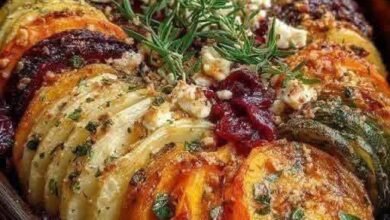
This is a classic for a reason. Chop your favorite vegetables, toss them with olive oil, salt, pepper, and herbs. Roast them on a baking sheet at 400°F (about 200°C) until tender. At the same time, roast chicken breasts, tofu, or even chickpeas. Store these separately. Throughout the week, you can combine them:
* With a grain like quinoa for a simple bowl.
* Folded into tortillas for quick tacos or wraps.
* Added to a quick pasta dish.
* Mixed with a fresh salad.
Grain Bowls with a Twist
Cook a big batch of brown rice or quinoa. Then, you can create different bowls each day.
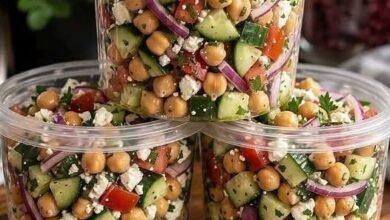
* **Mediterranean Bowl:** Add your prepped grain, roasted vegetables, chickpeas, feta cheese, and a lemon-tahini dressing.
* **Mexican Bowl:** Combine grain with black beans, corn, salsa, avocado, and leftover cooked chicken or ground turkey.
* **Asian Inspired Bowl:** Use your grain with sautéed greens, baked tofu, and a sesame-ginger dressing.
Hearty Soups and Stews
Soups and stews are perfect for batch cooking because they often taste even better the next day. A big pot of lentil soup, chili, or a vegetable stew can provide several healthy daily recipes. You can divide them into individual portions before freezing. Remember to add things like sour cream or fresh herbs when reheating, not before freezing. Slow cooker recipes are fantastic for this because they free up your time during the cooking process.
Tips for Storing Your Prepped Meals
Proper storage is key to keeping your batch-cooked meals fresh and safe.
* Cool Down Quickly: Let your cooked food cool to room temperature before storing. Do not leave food out for more than two hours.
* Portion Control: Divide your meals into individual portions in your chosen containers. This makes grabbing a meal super easy and helps with portion control.
* Label Everything: Write the contents and date on your containers. This helps you track when to use them by.
* Fridge and Freezer: Cooked meal prep food stays safe in the fridge for three to four days at 40°F (about 4°C). In the freezer, it can last for three to six months. Make sure to use freezer-safe containers for items you plan to freeze long-term.
* Rotate Stock: Keep older items at the front of your fridge or freezer so you use them first.
Making It a Habit: Consistency is Key
Like any new habit, batch cooking takes a little practice. Do not try to prep every single meal for the whole week right away. Start with one or two batch-cooked items, like roasted vegetables and cooked grains. Once that feels comfortable, add more. Consistency is more important than perfection. Even preparing just a few items ahead of time can make a big difference in your week.
Batch cooking for your daily recipes is a practical way to manage your busy 2026 life. It helps you eat well, save money, and free up precious time. Give it a try this weekend. You might be surprised at how much calmer your weeknights become. For more ideas and inspiration, visit Daily Global.